As the world becomes increasingly connected, the demand for fast and reliable internet in multi-tenant buildings continues to rise. This article highlights residents’ expectations and preferences regarding managed Wi-Fi. Below are the key takeaways from this essential report on current and future trends in residential connectivity.
Demand for Managed Wi-Fi
According to a survey of 8,004 North American households, managed Wi-Fi is now considered an essential amenity by the majority of residents in multi-tenant buildings. Residents view managed Wi-Fi as a decisive factor when searching for a new home—on par with traditional features like modern kitchen appliances or updated finishes.
Resident Satisfaction
The report reveals that resident satisfaction has significantly increased with the introduction of managed Wi-Fi services. Faster and more reliable internet connections have become a major asset, improving residents’ quality of life and supporting daily activities such as remote work, streaming, and gaming.
Preference for Bulk Services
Another trend highlighted in the report is the preference for bulk Wi-Fi services over individual retail subscriptions. Bulk services offer greater convenience and are often more cost-effective, making them especially attractive to residents of multi-tenant buildings. Tenants don’t need to take time off work for installation or deal with unsightly cables. Upon receiving their keys, they’re already connected: their secure internet network follows them throughout the building—from the lobby to their unit and even the parking garage. This preference reflects a growing need for affordable, hassle-free internet solutions.
82% of Residents Want Wi-Fi Throughout Their Living Spaces
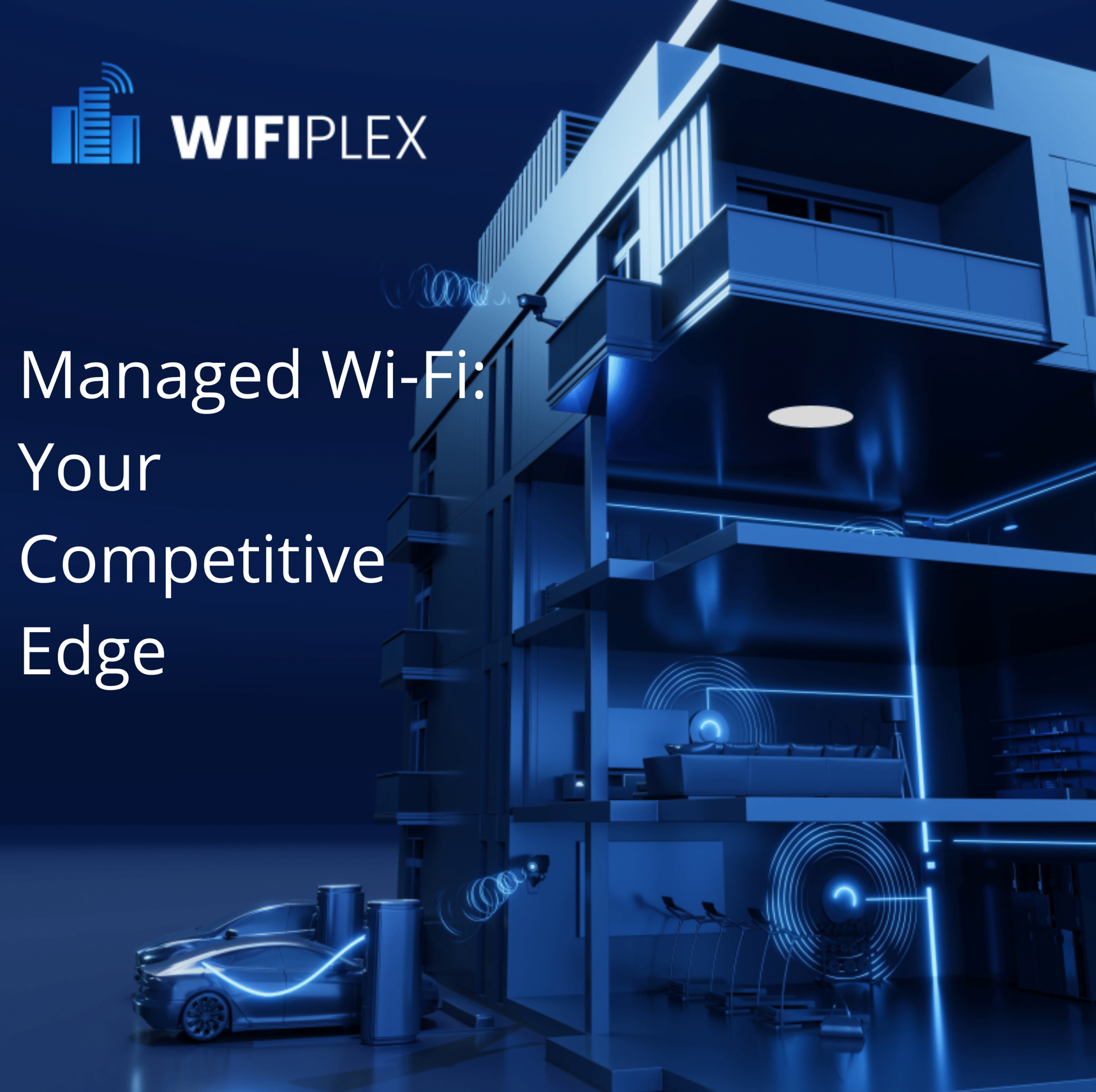
A Canadian study published in 2025 found that 82% of tenants now expect internet connectivity throughout their living spaces—not just inside their units. This shift in expectations highlights the growing importance of reliable and secure Wi-Fi access in common areas, hallways, garages, gyms, pools, and even outdoor spaces in multi-tenant buildings. Residents see connectivity as a key element of comfort and quality of life, prompting property owners and managers to invest in full-building network infrastructure.
Technology Usage
Residents of multi-family buildings consume more digital content than those in single-family homes. They are particularly fond of online gaming and video streaming, which further increases the need for high-quality internet connectivity. Property owners are investing in professional-grade Wi-Fi solutions to meet this demand and enhance the resident experience.
Future Improvements and the Benefits of a Strong Technological Backbone
For owners of multi-tenant buildings, investing in managed Wi-Fi solutions has become a strategic priority. By offering superior internet services, they can attract and retain tenants while increasing the perceived value of their properties. Partnering with specialists like Wifiplex to implement a robust technological backbone also facilitates the integration of future technologies. This includes smart building solutions for both common areas and individual units, benefiting owners, managers, and tenants alike.
Market Shift
This year, the rental market has seen a dramatic shift: many property owners now offer one or even two months of free rent to attract new tenants—a situation that was unimaginable just a year ago. This trend is visible across Canada, where increased supply and reduced demand have made leasing more challenging. However, installing managed Wi-Fi in a building adds significant value for prospective tenants. This essential service allows landlords to attract quality renters without resorting to costly incentives like free rent. Managed Wi-Fi boosts resident satisfaction, increases the building’s appeal, and simplifies management—making it a smarter and more sustainable investment.
Ecological and Sustainable Benefits
Installing managed Wi-Fi throughout a building also supports environmental sustainability. Modern internet and Wi-Fi equipment consume less energy, helping reduce the building’s carbon footprint. This infrastructure also enables the installation of devices that optimize energy consumption, such as smart thermostats and energy management systems compatible with Canadian utilities’ winter peak programs. These innovations contribute to a more sustainable future while offering significant benefits to owners, managers, and tenants.
In short, managed internet connectivity in multi-tenant buildings has become a must-have for residents and a strategic asset for property owners. As the rental market evolves and tenant expectations rise, investing in reliable, secure, and building-wide managed Wi-Fi not only boosts satisfaction and retention—it also enhances property value without relying on costly incentives. Supported by modern and sustainable technology, this transformation positions landlords and managers at the forefront of the real estate sector while meeting the current and future needs of tenants.